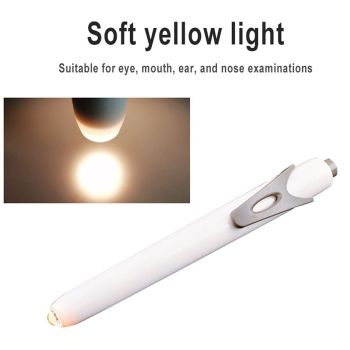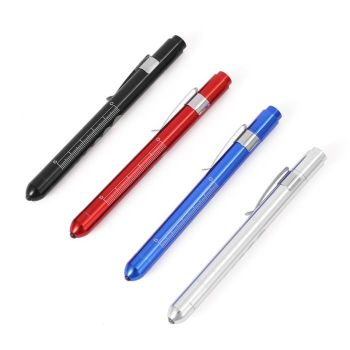
PJ036 Doctors use flashlights, pupil pen lights, oral, E.N.T, ophthalmic LED lights for examination, commonly used pen lights
?
Sign In
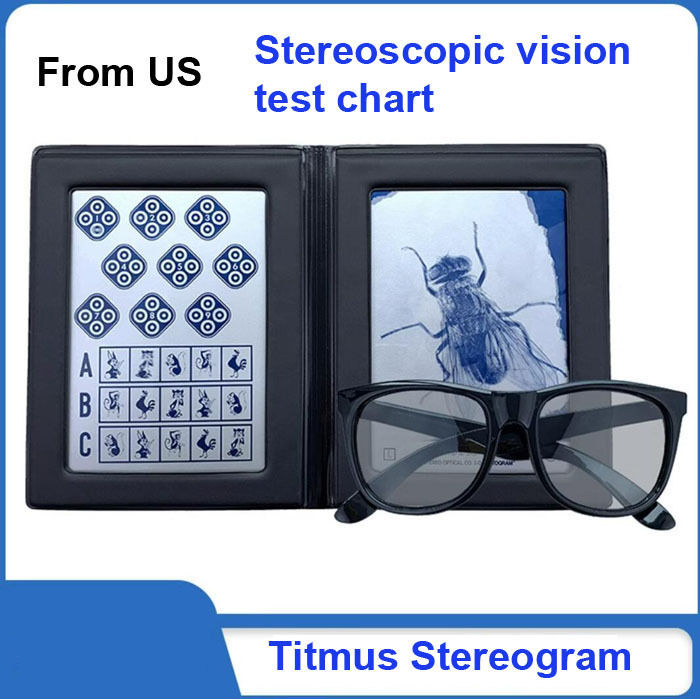
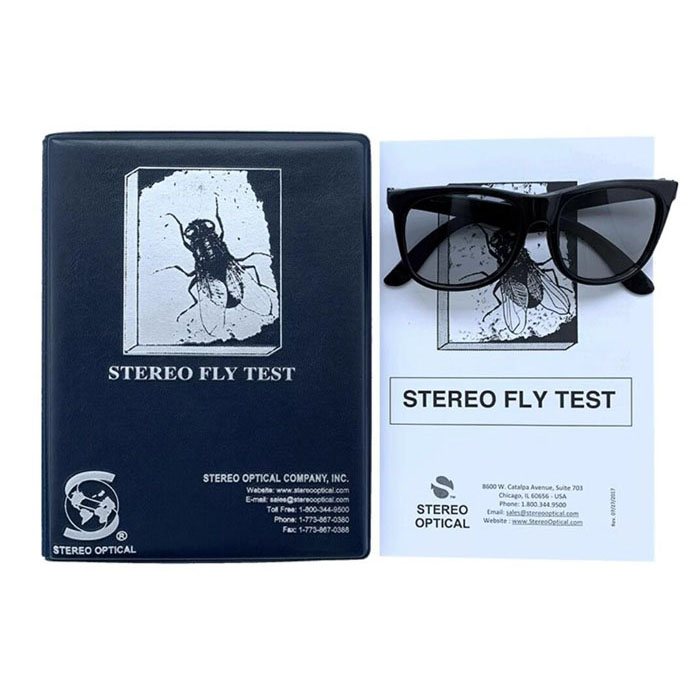
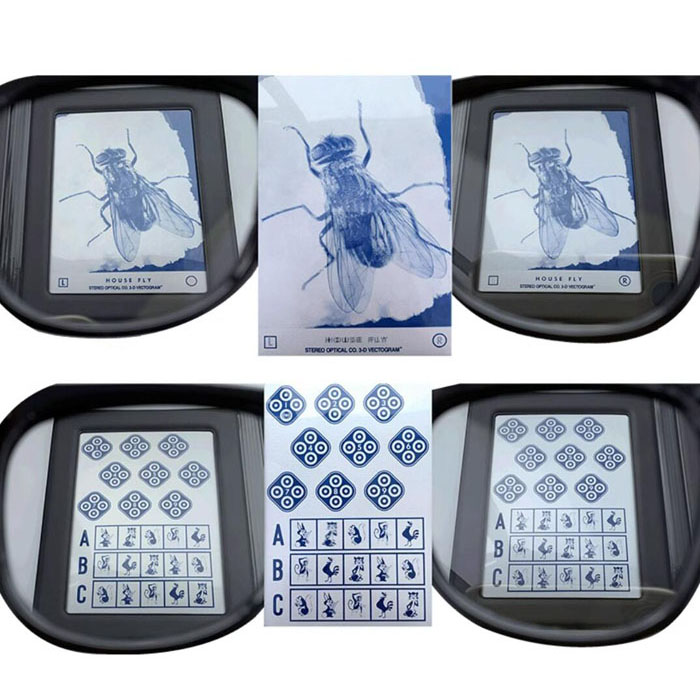
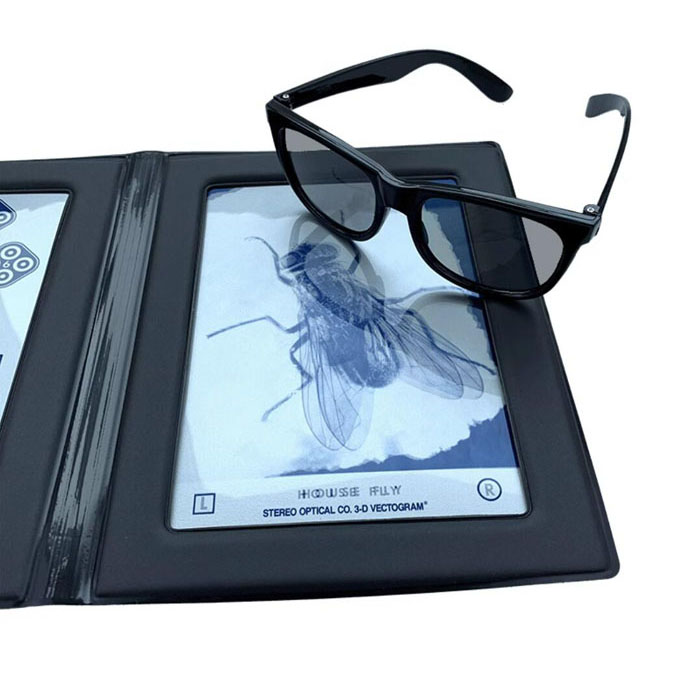
Product Code: JH-555
Accurately assess stereoscopic vision with the JH-555 Stereoscopic Fly Image Test. Designed for eye care professionals, pediatric clinics, and vision screening programs, this comprehensive test set provides fast, reliable detection of stereo acuity in both children and adults.
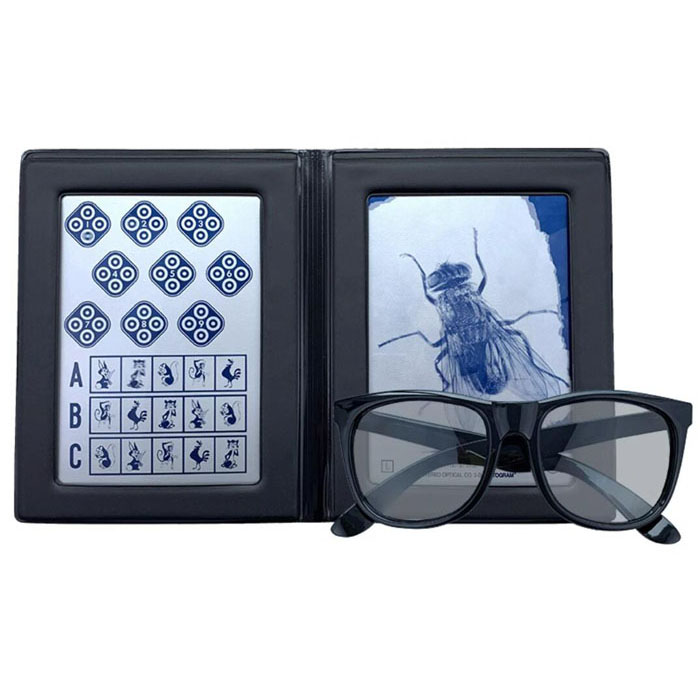
Quickly screen subjects for stereoscopic sensation. The subject simply identifies whether the fly's wings appear to float above the page — a normal response confirms functional stereo vision.
Each row contains 5 animal images across 3 groups, with designed parallax values of 400", 200", and 100". Ideal for children under 4 years old and those who cannot yet recognize the circle chart.
Includes 9 groups ranging from 800" down to 40", divided into 9 precise parallax levels for detailed stereo acuity measurement.
Step 1 – Setup: Have the subject sit comfortably, wear polarized glasses to separate their gaze, and observe the image at a distance of 40 cm, keeping their gaze perpendicular to the image.
Step 2 – Initial Screening: Begin with the first set of images. If the subject cannot identify it correctly, end the examination. If correct, proceed to the second and third sets based on age and cognitive ability.
Step 3 – For Children Under 4 or Those Unable to Recognize the Third Group: Use the second group of images. Ask the subject to identify the small animal protruding in each row and record the corresponding parallax value.
Step 4 – For Children Over 4 or Those Able to Recognize the Third Group: Use the third group of images. Have the subject identify the raised circles in all 9 images in sequence until they correctly recognize the last image, obtaining the corresponding stereoscopic acuity value.
Step 5 – Verification: After checking, reverse the direction of the pattern — changing the original cross disparity to non-cross disparity, and the protruding pattern to a concave pattern. If the pattern is rotated 90° and the horizontal parallax disappears, the stereoscopic effect disappears. If the subject's answer changes with these modifications, it confirms they have stereoscopic vision, and the corresponding value is recorded. Otherwise, it can be judged as no stereoscopic vision.
This method is primarily used for quantitative detection of close-range stereo vision function.